The paradigm for sustainable construction is evolving from a focus solely on building materials to a holistic assessment of the entire material supply chain. Within this framework, the procurement and production methodology for concrete—a material with a significant environmental footprint—are under intense scrutiny. A discernible trend is emerging among environmentally conscious developers and contractors: the strategic acquisition of small, stationary concrete batch plants. This shift is not driven by a desire for increased production volume alone, but by a calculated pursuit of supply chain decarbonization, waste elimination, and enhanced process control. The small batch plant, often perceived as a niche or entry-level asset, is being re-evaluated as a precision instrument for green building, enabling owners to directly govern the environmental parameters of their concrete use in ways that are impossible when reliant on centralized ready-mix suppliers.
## The Centralized Logistics Problem and the Carbon Calculus of Concrete
The environmental impact of concrete is predominantly attributed to cement production; however, the logistical model of traditional ready-mix delivery constitutes a substantial and often overlooked secondary emission source. A centralized high-volume plant supplying a dispersed urban or regional market necessitates a fleet of diesel-powered agitator trucks conducting countless vehicle-miles. Each project receives concrete via a series of individual deliveries, each trip contributing to greenhouse gas emissions, particulate pollution, and urban congestion. For the eco-conscious buyer, this model represents an uncontrollable variable in their project’s carbon ledger.
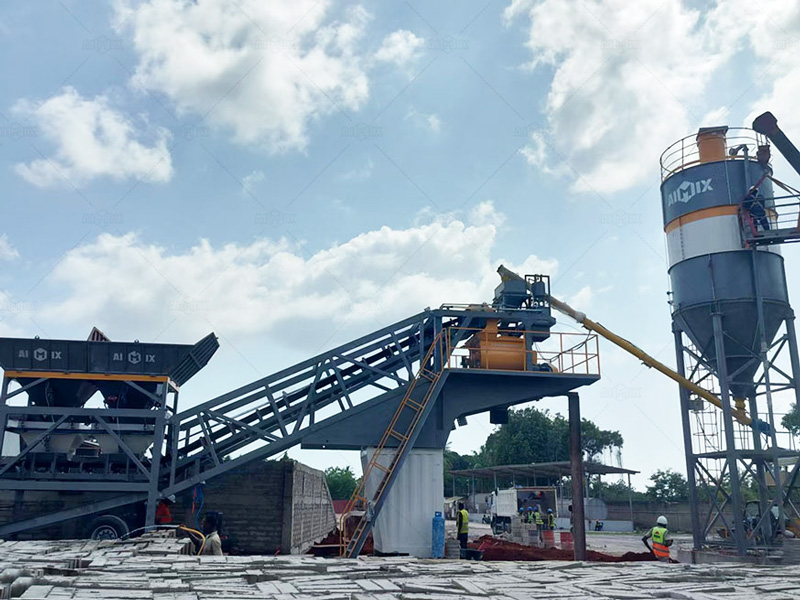
The deployment of a dedicated [small batch concrete plant](https://aimixconcretesolution.com/concrete-batching-plant/small/
) at or near the construction site fundamentally disrupts this inefficient logistics chain. It facilitates hyper-localized production. Raw materials—cement, aggregates, admixtures—are delivered in bulk directly to the site, typically in single, optimized shipments. The final production of wet concrete occurs only meters from the point of placement, eliminating the vast majority of truck deliveries for the finished product. This logistical compression results in a direct and quantifiable abatement of transportation-related emissions. For large-scale or long-duration projects, the cumulative reduction in vehicle traffic and fuel consumption becomes a material contribution to the project’s overall sustainability goals, providing a level of supply chain transparency and control that is highly valued by green building certifiers and environmentally focused clients.
## Precision Production and Material Optimization
Beyond logistics, small batch plants introduce a paradigm of precision that actively combats material waste. A chronic issue in construction is the over-ordering of ready-mix concrete. Contractors, wary of the consequences of a short pour, routinely order a surplus, which often hardens into waste that must be landfilled. A site-based plant enables just-in-time batching. Concrete is produced in exact, smaller volumes aligned with the real-time pace of construction activities. This capability virtually eliminates disposal waste, ensuring that nearly every kilogram of cement and aggregate is utilized in the permanent structure.
This control extends to mix design specification. Owners are no longer constrained by the standard mixes offered by a commercial plant. They can mandate and consistently produce specialized, eco-friendly formulations. This includes high-volume fly ash or slag concrete, which replaces a significant portion of Portland cement with industrial by-products, mixes utilizing locally sourced or recycled aggregates to reduce embodied transport energy, or trial batches for emerging low-carbon cement technologies. The small plant becomes a laboratory for sustainable material innovation, allowing the buyer to validate and implement bespoke mix designs that align with ambitious environmental performance targets, which are often impractical for large-scale suppliers focused on standardized output.
## Operational Sovereignty and Circular Economy Integration
Finally, ownership of the production process grants operational sovereignty to implement site-specific environmental management protocols that exceed typical industry practice. Modern
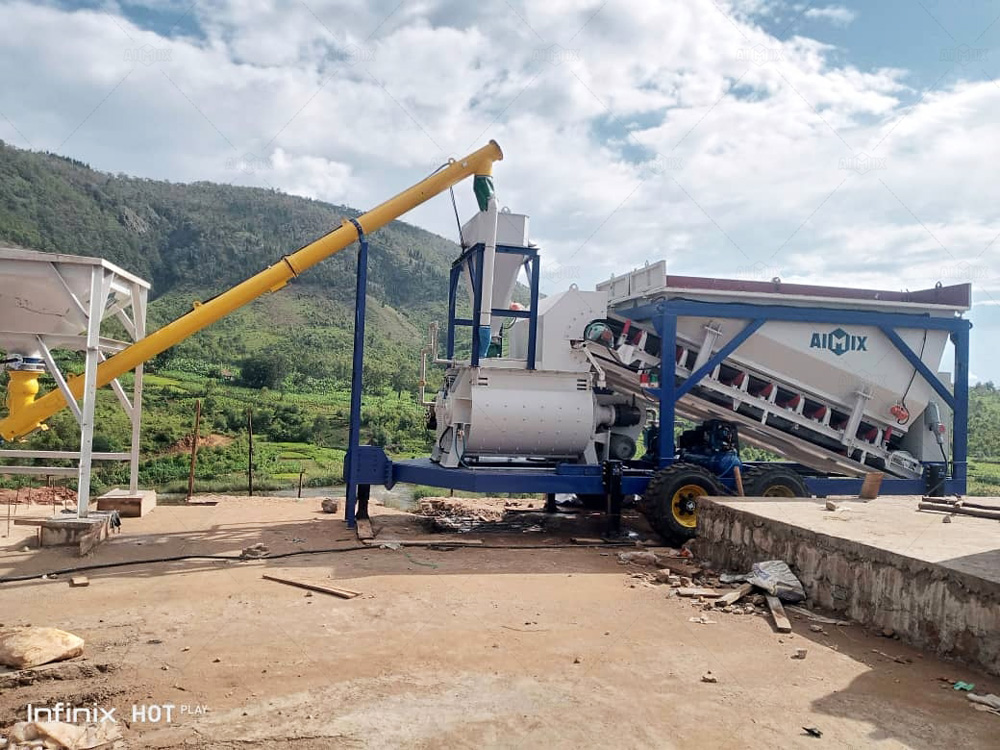
mini concrete batch plant can be equipped with closed-loop water recycling systems. All process water from truck and plant washout is captured, clarified, and reintroduced into the batching cycle, achieving near-zero water discharge and conserving a critical resource. Similarly, integrated baghouse dust collectors or misting systems can be optimized to maintain particulate emissions well below regulatory thresholds, protecting local air quality.
Perhaps most significantly, a site-based plant can act as a nexus for a circular material economy. Concrete waste from cutoff samples, testing, or minor breakouts does not leave the site as waste. It can be crushed on-site using a small crusher to produce recycled concrete aggregate (RCA). This RCA can then be fed back into the batch plant as a replacement for a portion of virgin aggregate in non-structural applications, such as backfill or sub-base. This closes the material loop on-site, diverting waste from landfill and reducing demand for extracted natural aggregates. For the eco-conscious buyer, the small batch plant is therefore not merely a production tool, but a strategic asset for environmental stewardship. It transforms the construction site from a point of consumption into a node of controlled, efficient, and responsible production, aligning concrete placement with the principles of sustainable development.
Comments
No comments yet. Be the first to react!