The discourse surrounding self-loading concrete mixer prices in Nigeria is often narrowly framed as a simple procurement cost. This perspective is fundamentally myopic. The monetary figure attached to these integrated machines—combining a loader, a batching unit, and a mixer on a mobile chassis—is not merely a price tag; it is the financial manifestation of a pivotal capability threshold. It represents the precise economic gateway for contractors to transcend the entrenched, often inefficient paradigms of Nigerian construction logistics. The prevailing model of dependency on distant batching plants and a fragile fleet of transit mixers creates a cascade of delays, cost overruns, and quality variances. Therefore, understanding how these concrete mixer price in Nigeria shape the industry’s future requires a deeper analysis: viewing the initial capital outlay as an investment that purchases operational sovereignty, unlocks a spectrum of performance capabilities previously inaccessible to many, and ultimately catalyzes a systemic transformation in how the nation builds.
## The Initial Outlay: A Gateway to Operational Sovereignty
The market for self-loading mixers presents a distinct price spectrum, each tier corresponding to a specific level of operational liberation. Entry-level machines, with their more modest engines and simplified hydraulics, offer an attainable point of entry. Their cost represents a calculated alternative to the perpetual, variable expense of hiring ready-mix trucks—a cost burdened by fuel surcharges, demurrage fees, and the existential risk of a vehicle breakdown miles from a project site. For the small-scale builder or nascent contractor, this investment is transformative. It converts a volatile, externalized cost center into a fixed, controllable asset. The machine becomes a portable factory, decoupling production from the gridlocked arteries of urban centers and the nonexistent roads of remote sites. This financial pivot grants immediate sovereignty; the construction schedule is no longer hostage to the logistical frailties of a third-party supplier.
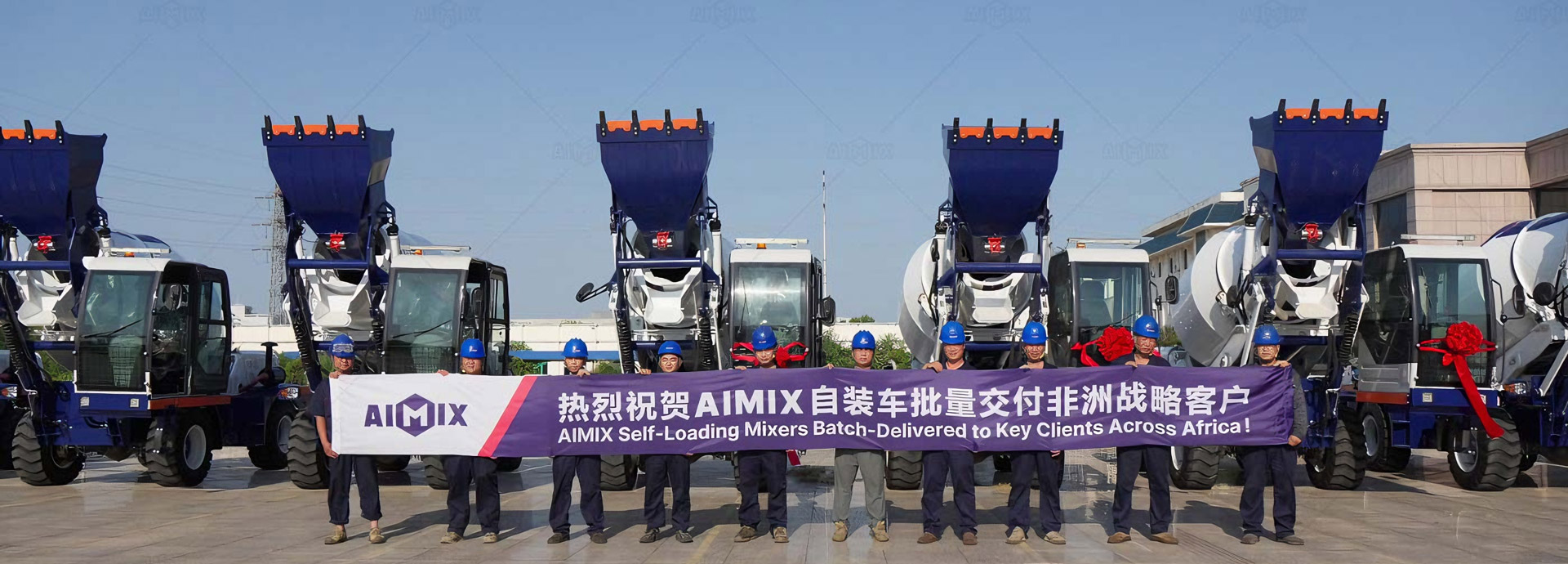
Moving up the price ladder, the investment acquires further strategic dimensions. Mid-range and premium models command higher sums precisely because they engineer resilience and capacity into their core design. This portion of the price purchases superior torque for climbing rugged terrain, enhanced hydraulic pressure for consistent pumping over longer distances, and robust chassis construction that withstands the relentless vibration of unmapped job sites. The capital outlay here is a direct investment in mitigating risk—the risk of a machine failure stalling a critical pour, the risk of being unable to access a lucrative but logistically challenging project. The self loading concrete mixer price, therefore, is not an expense but a premium paid for reliability, durability, and the profound capability to say “yes” to projects others must decline due to logistical impossibility.
## The Capability Dividend: Price as a Proxy for Performance and Adaptability
The correlation between price and capability is direct and consequential. A higher-tier self-loading mixer is not just a more durable version of a basic model; it is a more intelligent and adaptable construction partner. The sophisticated hydraulics and control systems funded by its price enable a finesse in operation that basic machines lack. This translates to the precise placement of concrete for intricate foundation work, the consistent production of high-specification mixes for structural elements, and the ability to handle a wider variety of aggregate types and moisture conditions without compromising output quality.
This capability dividend unlocks niche specializations and elevates project execution. A contractor equipped with a high-performance unit can confidently bid on projects with complex requirements: water-retaining structures demanding low-permeability concrete, industrial floor slabs requiring extreme flatness tolerances, or developments in flood-prone areas where quick, weather-window-dependent pours are essential. The large concrete mixer machine’s price, in this context, buys a competitive edge—a technological advantage that allows a firm to differentiate itself not on labor rates alone, but on demonstrated technical proficiency and guaranteed outcomes. It transforms a general contractor into a solutions provider, capable of tackling the specialized challenges that define modern, quality-centric construction.
## Catalyzing Systemic Change: The Ripple Effect on Industry and Development
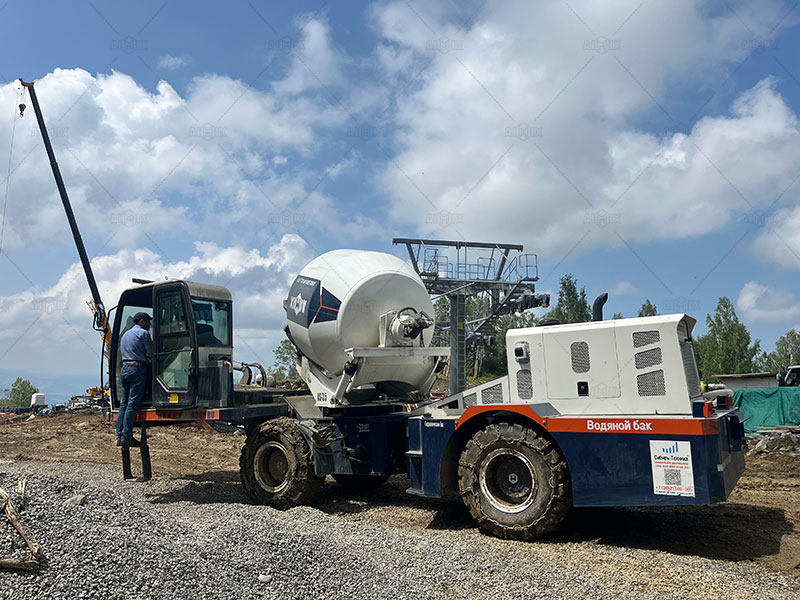
The aggregate effect of these individual investments is a quiet revolution in the Nigerian construction ecosystem. The accessibility of self-loading mixers, across their price points, is a powerful democratizing force. It empowers small and medium-sized enterprises (SMEs) to compete on a more level playing field with larger conglomerates that have historically controlled logistics. This fosters a more vibrant, competitive, and innovative market, where growth is driven by efficiency and skill rather than sheer capital mass for fleet ownership. The proliferation of these machines decentralizes concrete production, seeding pockets of industrial activity and job creation beyond major urban hubs and fostering regional development.
On a macro scale, this shift in capability begins to reshape national infrastructure trajectories. Projects that were once deemed prohibitively expensive due to astronomical material transport costs—rural road networks, agricultural storage facilities, clinics in underserved regions—enter the realm of financial feasibility. The self-loading mixer becomes a tool of rural empowerment and integrated development. In urban centers, it alleviates the crushing congestion caused by endless lines of transit mixers, contributing to more sustainable and less disruptive city growth. Ultimately, the price of these machines is shaping a future where Nigerian construction is defined by resilience, adaptability, and geographic inclusivity. It is funding a transition from a model of fragile, centralized supply chains to one of distributed, resilient capability—pouring the foundation for a more self-reliant and ambitious built environment, one autonomous batch at a time.
Comments
No comments yet. Be the first to react!