A $20,000 investment in a mini mixer pump represents more than a simple equipment purchase. It is a strategic asset capable of generating sustained operational revenue when deployed intelligently. Contractors, builders, and material application specialists increasingly rely on compact pumping systems to accelerate workflow, reduce labor intensity, and enhance jobsite precision. Yet the true value of such equipment lies not in its acquisition cost but in its capacity to produce consistent profit. Recovering the capital invested requires disciplined utilization, operational optimization, and strategic service positioning.
Capital Recovery Fundamentals
The pathway from purchase concrete mixer pump price to profitability begins with a pragmatic understanding of cost amortization. A $20,000 mini mixer pump should be viewed as a revenue-generating instrument rather than a static expense. In construction economics, equipment investments are typically recouped through repeated deployment across multiple projects, gradually dispersing the initial capital outlay over dozens—or even hundreds—of operational cycles.
A practical model involves calculating the per-job recovery threshold. For example, if the equipment contributes to services generating an additional $400 in net revenue per project, the breakeven point emerges after approximately fifty jobs. In many concrete repair, grout injection, or small-scale shotcrete applications, this number is attainable within a single construction season.
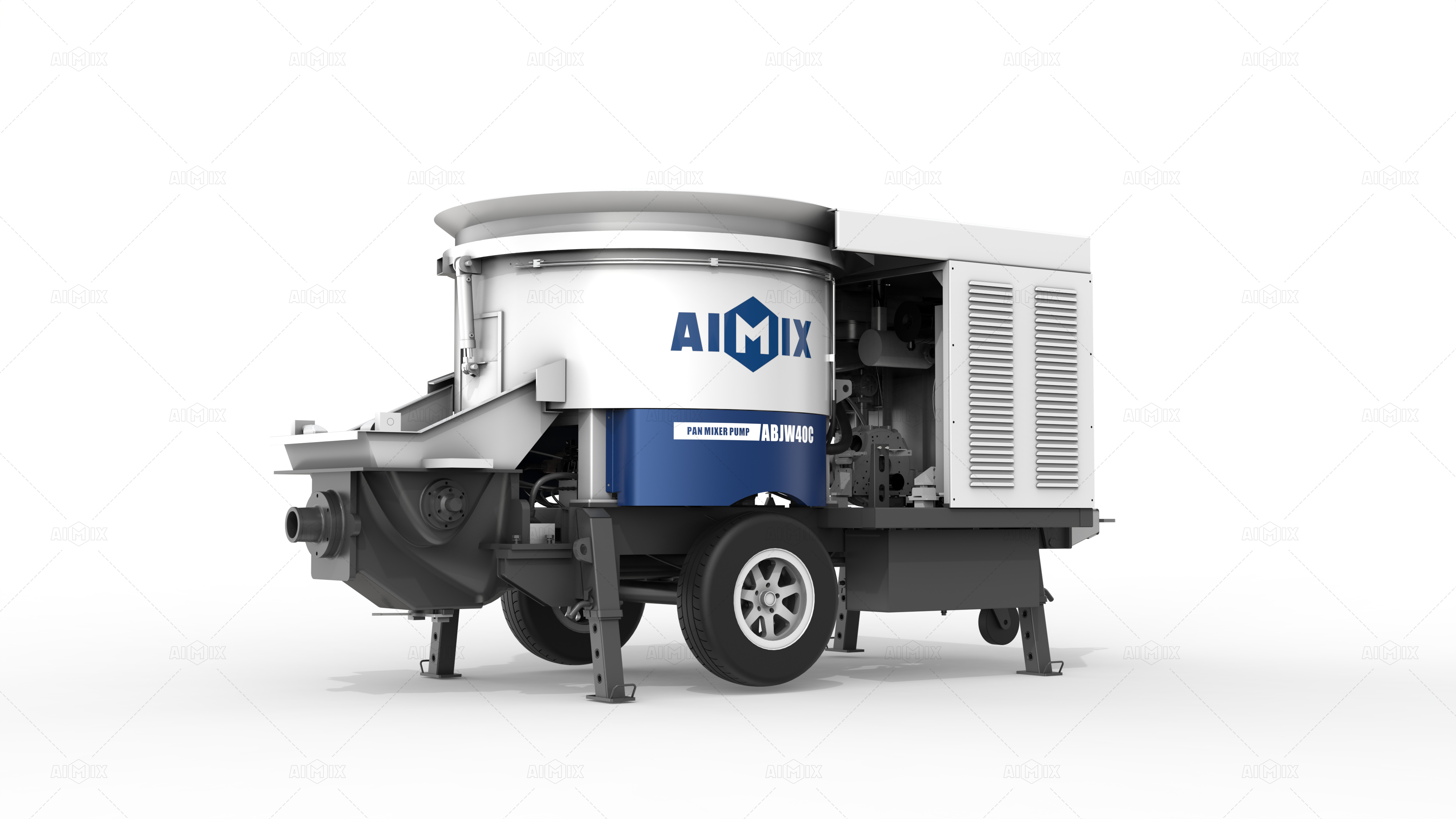
Mini mixer pumps also create new revenue channels that were previously inaccessible. Contractors can provide specialized services such as self-leveling underlayment pumping, mortar delivery to confined spaces, and precision grout placement in renovation environments. Each of these tasks commands premium pricing due to the efficiency and precision that pumping technology enables.
The result is a transition from passive equipment ownership to active profit engineering. Every deployment of the pump becomes a micro-transaction in the broader process of recovering capital and generating surplus value.
Operational Efficiency as a Profit Multiplier
Once revenue opportunities exist, operational efficiency determines how rapidly investment recovery occurs. Mini cement mixer pump drastically reduce manual material handling, replacing multiple laborers with a single operator and a mechanized delivery system. This shift from manual logistics to mechanized conveyance compresses project timelines and decreases labor expenditure.
Consider a conventional mortar transport scenario where materials are manually mixed and transported by wheelbarrow. Such a process requires multiple workers, introduces variability in mixture consistency, and limits output capacity. A mini mixer pump eliminates these inefficiencies. Continuous mixing and controlled pumping enable a stable flow of material with minimal interruption. The outcome is not merely faster work—it is predictable productivity.
Predictability has profound economic implications. Projects finish earlier, allowing contractors to accept additional work within the same scheduling window. Increased job turnover directly accelerates the recovery of the equipment investment.
Maintenance discipline further amplifies profitability. Pumps that receive routine inspection, lubrication, and cleaning maintain consistent output while avoiding expensive downtime. Wear components such as stators, rotors, and hoses must be treated as consumables rather than unexpected failures. Scheduled replacement ensures uninterrupted service and protects revenue continuity.
Equipment longevity is equally important. A well-maintained mini mixer pump can remain operational for many years, extending its revenue generation far beyond the initial recovery phase. Once the purchase price has been recouped, each subsequent project effectively contributes to pure operational profit.
Strategic Market Positioning
Profitability also depends on where and how the equipment is deployed. Not all projects offer equal financial return. Contractors who deliberately target high-margin applications can accelerate their return on investment dramatically.
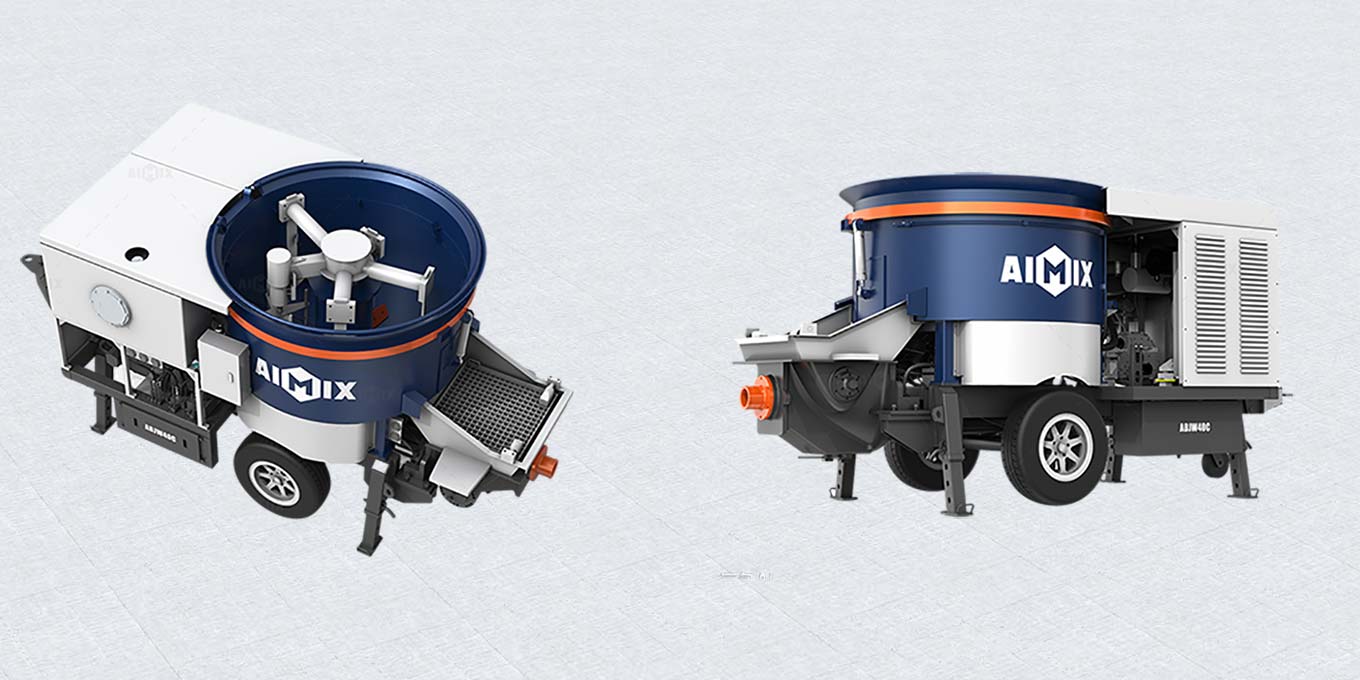
Renovation work in dense urban environments presents one of the most lucrative niches. Access constraints often prevent the use of large pumping systems, yet manual material transport remains inefficient and costly. A mini concrete pump for sale excels in precisely these circumstances. Its compact form factor allows it to operate within confined spaces, courtyards, basements, or upper floors where traditional equipment cannot reach.
Similarly, specialized flooring installations frequently demand precise material delivery. Self-leveling compounds, gypsum underlayments, and decorative concrete overlays require consistent mixing and rapid placement. Contractors equipped with pumping capability gain a competitive advantage because they can deliver uniform results while completing installations faster than traditional methods allow.
Another strategic avenue involves service diversification. Instead of relying solely on primary construction contracts, operators can offer pumping services to other contractors. In this model, the equipment functions as a revenue-generating service platform rather than an internal tool. Rental with operator support or subcontract pumping services can generate steady cash flow while expanding industry relationships.
Scaling the operation eventually transforms a single equipment purchase into the nucleus of a broader service ecosystem. Additional pumps, trained operators, and specialized attachments enable contractors to handle larger workloads and more technically demanding projects.
When leveraged intelligently, a $20,000 mini mixer pump evolves from a simple line item on a procurement invoice into a resilient profit engine. Through disciplined amortization, efficiency-driven operations, and strategic market positioning, the investment can be recovered quickly while continuing to produce value long after the initial capital has been reclaimed.
Comments
No comments yet. Be the first to react!