The United Arab Emirates constructs at a scale that few markets can match. A single development in Dubai may consume more concrete than a mid-sized city. The Palm Jumeirah. Dubai Creek Tower. The expansion of Al Maktoum International Airport. These projects demand concrete in volumes that overwhelm standard batching plant capacities. A contractor who plans to serve this market must think differently. A 60 cubic meter per hour plant that suffices for a housing estate in a smaller market is inadequate for a UAE infrastructure project. This article argues that capacity planning for the UAE market requires a different calculus. The contractor must anticipate peak demand, not average demand. The stationary batching plant must be sized for the surge. The investment must be justified by the scale of the opportunity. Under-sizing a plant in the UAE is not a conservative decision. It is a competitive disadvantage.
The Scale Imperative: Why Small Plants Struggle in the UAE
Peak Demand and the Cost of Inadequacy
A major UAE project does not consume concrete at a steady rate. It consumes concrete in surges. A foundation pour for a tower may require 200 cubic meters per hour for 10 consecutive hours. A road base layer for a highway extension may require 150 cubic meters per hour for an entire shift. A contractor with a 60 cubic meter per hour plant cannot meet these demands. They must sub-contract the excess volume to competitors. The competitor sets the concrete plant price. The contractor loses margin. The argument is that a plant that cannot meet peak demand is a plant that forces the contractor to cede control of their own schedule and profitability. The contractor who sizes for average demand will be perpetually inadequate. The contractor who sizes for peak demand will be perpetually capable. The UAE market rewards capability.
Competitive Dynamics and Market Share
The UAE ready-mix market is concentrated. A few large players control significant market share. These players operate plants with capacities of 120 to 240 cubic meters per hour. They bid on large contracts with confidence. A new entrant with a 60 cubic meter per hour plant cannot compete on the same contracts. They are relegated to smaller projects, where margins are thinner and competition is also intense. The argument is that plant capacity is a market positioning tool. A contractor who invests in a large plant signals seriousness. They signal capacity. They signal reliability. Developers and general contractors notice. They include the large-capacity contractor on bid lists. They exclude the small-capacity contractor. The relationship between plant capacity and market access is direct. The contractor who under-invests in capacity is not saving money. They are limiting their opportunity.
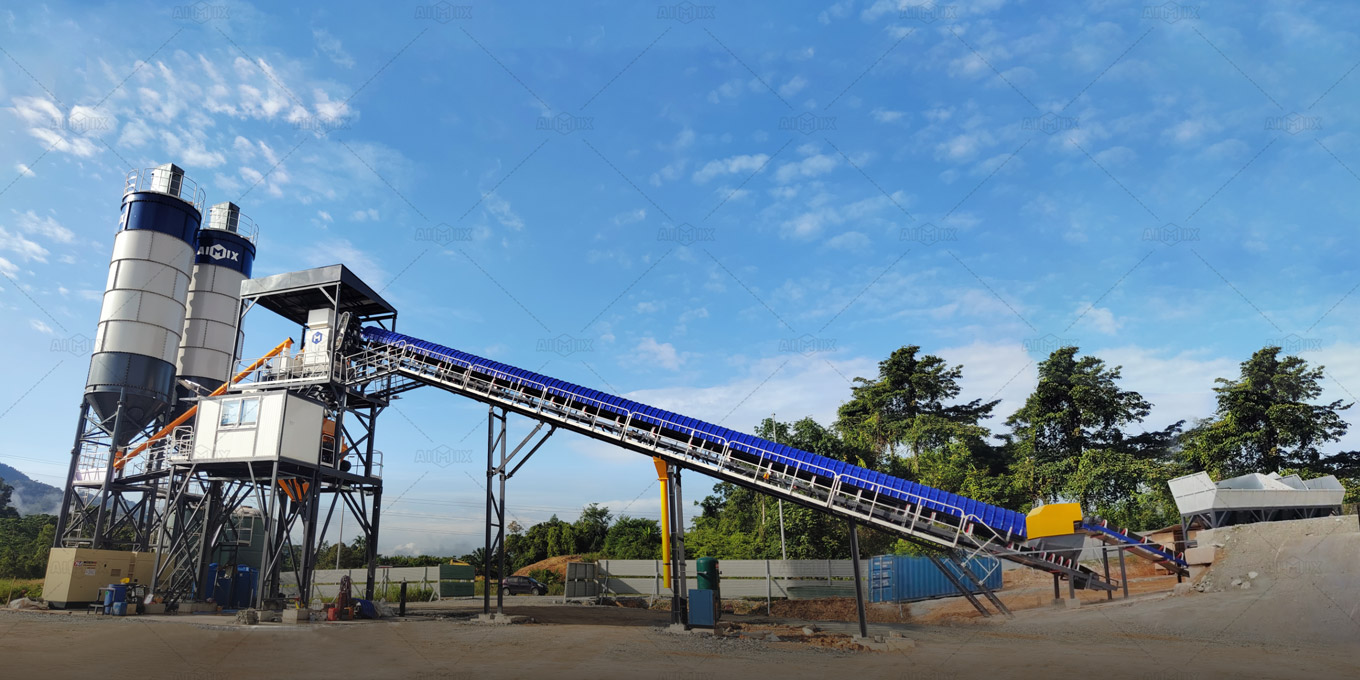
Capacity Planning Methodology for the UAE
Analyzing Historical Demand Patterns
The first step in capacity planning is data collection. The contractor should analyse historical demand patterns for the projects they intend to pursue. What is the typical peak hourly demand? What is the typical daily volume? What is the typical pour duration? The answers vary by project type. A residential tower may have peak demands of 80 to 120 cubic meters per hour. A infrastructure project may have peak demands of 150 to 250 cubic meters per hour. A industrial facility may have moderate peaks but extended pour durations. The contractor who does not collect this data is guessing. Guessing is not planning. The argument is that capacity planning must be evidence-based. The evidence comes from project records, industry benchmarks, and discussions with potential customers.
Building in Redundancy and Surge Capacity
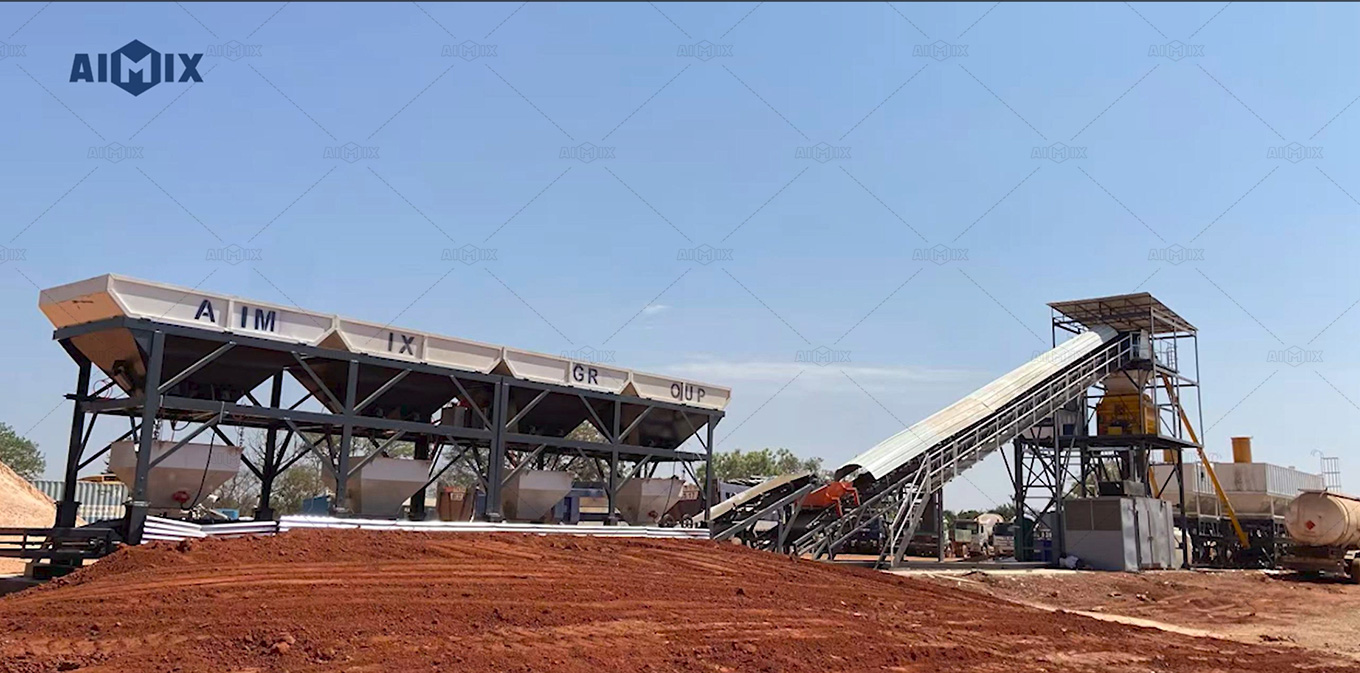
The second step is redundancy. A single large plant is a single point of failure. If it breaks, production stops. The alternative is multiple smaller plants or a large plant with redundant components. A contractor serving the UAE market should consider a 180 cubic meter per hour plant with two 90 cubic meter per hour mixers. If one mixer fails, the concrete batching plant in UAE continues at 90 cubic meters per hour. Production is reduced but not eliminated. The cost of the redundant mixer is significant. The cost of a complete production stoppage on a major UAE project is greater. The argument is that redundancy is not an optional extra in the UAE market. It is a requirement. Developers include uptime requirements in contracts. A contractor who cannot guarantee production will not win the contract.
Investment Justification and Financial Modelling
Capital Cost vs. Revenue Potential
A 180 cubic meter per hour stationary batching plant in the UAE costs $1.5 million to $3 million fully installed. A 60 cubic meter per hour plant costs $500,000 to $800,000. The larger plant costs two to three times as much. It also generates three times the revenue potential. A plant operating at 60 percent utilisation (1,200 hours annually) at 180 cubic meters per hour produces 216,000 cubic meters per year. At a margin of $10 per cubic meter, gross profit is $2.16 million annually. The plant pays for itself in less than two years. The smaller plant produces 72,000 cubic meters annually. Gross profit is $720,000. The payback period is similar. The difference is scale. The larger plant generates more absolute profit. It also commands a larger market share. The argument is that the investment justification for a larger plant is compelling if the contractor has access to the volume.
Financing and Phased Expansion
Not every contractor can afford a $3 million plant. A phased expansion strategy is an alternative. The contractor installs a 90 cubic meter per hour plant initially. The foundation and utilities are sized for future expansion. When volume justifies it, a second 90 cubic meter per hour mixer is added. The plant becomes 180 cubic meters per hour. The initial investment is lower. The ultimate capacity is achieved in stages. The argument is that phased expansion reduces risk. It matches capital expenditure to revenue growth. It also allows the contractor to prove their market before committing to the full investment. The UAE market is large enough to support both strategies. The contractor who can finance the full investment gains a competitive advantage. The contractor who phases the investment reduces financial risk. Both are rational. The choice depends on the contractor’s capital position and risk tolerance.
The final argument is that the UAE construction scale is not a constraint. It is an opportunity. A contractor who plans capacity appropriately can capture a share of that opportunity. A contractor who under-plans will be perpetually constrained. The stationary concrete batching plant investment is significant. The return can be significant as well. The relationship between capacity and return is direct. Larger capacity enables larger contracts. Larger contracts generate larger revenue. The contractor who recognises this relationship will invest accordingly. The contractor who does not will struggle to compete.
Comments
No comments yet. Be the first to react!