Across Latin America's two largest economies, a quiet revolution is reshaping the construction materials sector. In Brazil and Mexico, rapid urbanization and infrastructure development have historically generated mountains of construction and demolition waste, often destined for unregulated landfills. Today, driven by pressing environmental concerns and resource scarcity, both nations are implementing robust policies that not only mandate the recycling of this debris but are actively catalyzing the growth and modernization of a new industrial segment: dedicated aggregate processing plants. This strategic shift is transforming waste from a costly problem into a valuable commodity, creating significant opportunities for investors and equipment suppliers while building a more sustainable foundation for future growth.
The Policy Framework: A Catalyst for Change
Government mandates are providing the regulatory certainty needed for large-scale investment in construction waste recycling.
In Brazil, the landmark National Solid Waste Policy (Política Nacional de Resíduos Sólidos - PNRS), enacted in 2010, established extended producer responsibility and set ambitious waste diversion targets. For the construction sector, it necessitated the creation of specific waste management plans for all major projects, pushing contractors to seek out recycling solutions. More recently, municipal laws in major cities like São Paulo and Rio de Janeiro have introduced even stricter local ordinances, requiring minimum percentages of recycled aggregates in new public works, creating a guaranteed market for the output of recycling plants.
Mexico's journey is similarly driven by federal and local action. The General Law for the Prevention and Integral Management of Waste lays the groundwork, while progressive states like Mexico City have taken the lead. The city's mandatory construction waste management program requires builders to separate materials on-site and deliver them to authorized recycling facilities. Furthermore, the updated building codes in several states now permit—and in some cases encourage—the use of high-quality recycled aggregates in certain concrete applications, breaking down a major technical barrier to market adoption.
Market Response: The Rise of the Modern Recycling Aggregate Plant
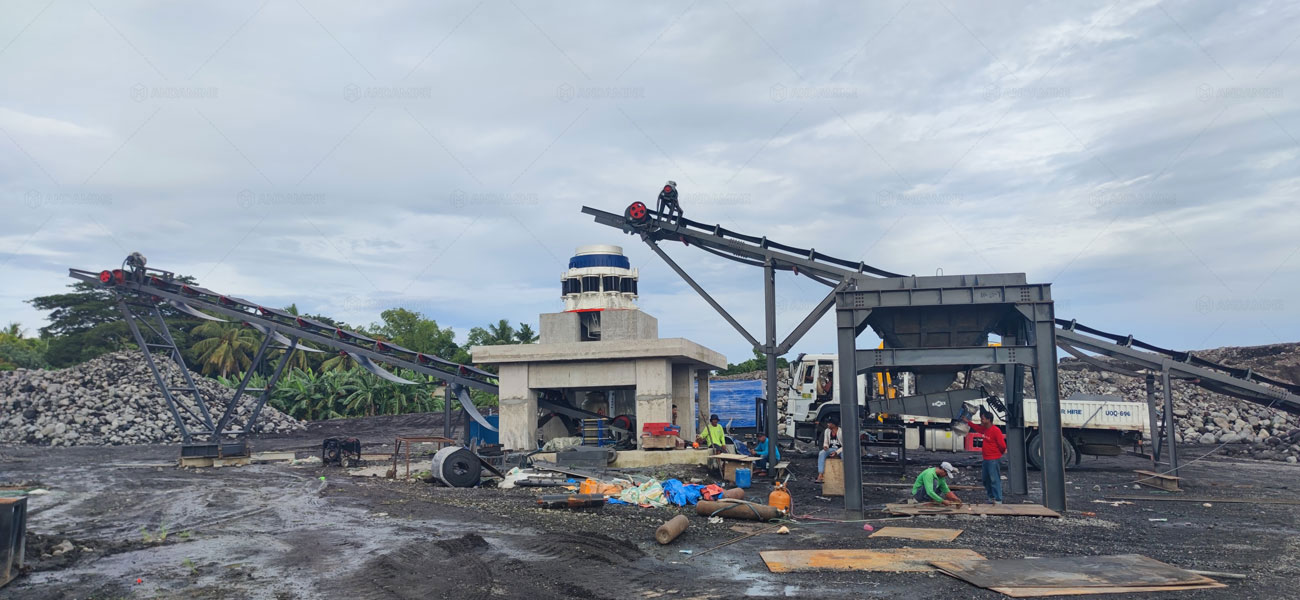
In response to these policies, the traditional model of small, informal crushing operations is being replaced by sophisticated, high-volume processing centers. The modern recycling aggregate crusher plant(planta trituradora de agregados) is designed for efficiency, product quality, and environmental control.
These facilities are no longer simple rubble processors. They are engineered material recovery factories. The core of their operation is a multi-stage crushing and screening circuit designed to handle a variable and often challenging feedstock of concrete, bricks, and asphalt. Primary jaw crushers break down large slabs and structural elements. Secondary crushing, often handled by a robust cone crusher, is critical for producing well-shaped, cubical aggregates suitable for structural applications. The precise geometry and consistent crushing action of a modern cone crusher are essential for turning irregular chunks of concrete into a graded product that can compete with virgin material.
Advanced sorting systems, including magnetic separators to remove rebar and sophisticated air knives or manual picking lines to eliminate lightweight contaminants like wood and plastic, are now standard. This ensures the final recycled aggregate meets strict quality specifications for use in ready-mix concrete, road base, and drainage layers.
Technological Adaptations for a Challenging Feedstock
Processing construction debris presents unique challenges that differentiate these plants from traditional quarries, driving specific technological innovations.
The variable and often contaminated nature of the incoming material requires robust and adaptable equipment. Wear is a significant concern, as recycled concrete can be highly abrasive. This necessitates the use of wear-resistant liners in crushers and screens. The versatility of mobile and semi-mobile setups is a major advantage. A portable debris crusher(trituradora de escombros portátil) system allows operators to establish temporary processing sites directly at large demolition projects or landfill locations, dramatically reducing transportation costs for both the incoming waste and the outgoing aggregate. This mobility is particularly valuable in sprawling urban areas like Mexico City or São Paulo, where logistics costs can determine profitability.
Furthermore, to produce the finest fractions of high-value sand, some advanced plants are incorporating tertiary crushing stages with vertical shaft impactors to optimize particle shape and washing systems to remove residual dust and silt, further enhancing product value and marketability.
Strategic Implications and Opportunities for the Industry
The policy-driven growth of this sector opens several strategic avenues for businesses across the value chain.
For investors and entrepreneurs, the opportunity lies in developing and operating regional recycling hubs. The business case is strengthened by tipping fees for accepting waste, revenue from selling high-grade aggregates, and reduced dependence on extracting natural resources. For equipment manufacturers and distributors, the demand is shifting towards durable, high-productivity machines tailored for recycling. The market for robust cone crusher(molino de cono) units, efficient screens, and versatile portable debris crusher configurations is experiencing direct growth fueled by these national policies.
There is also a significant knowledge gap to be filled. Success requires more than just machinery; it demands expertise in material flow, quality control, and end-market development. Companies that can offer integrated solutions—from plant design and equipment supply to operational training and assistance in certifying recycled products with local standards bodies—will capture greater value.
Conclusion: Building a Circular Future
The construction waste recycling policies in Brazil and Mexico are doing much more than cleaning up landfills. They are strategically fostering a new, circular industry that adds value, creates green jobs, and conserves natural resources. By creating demand and providing regulatory structure, these governments have effectively launched the market for modern aggregate crusher plant operations focused on recycling. The transition from viewing debris as waste to recognizing it as a resource is fundamental. As the quality and reliability of recycled aggregates continue to improve, driven by advanced processing technology like precision cone crusher systems and flexible portable debris crusher setups, their acceptance will widen. This policy-led transformation is building a more resilient and sustainable construction materials industry, proving that the foundations of future growth in Latin America's megacities can literally be built from the remnants of their past.

Comments
No comments yet. Be the first to react!