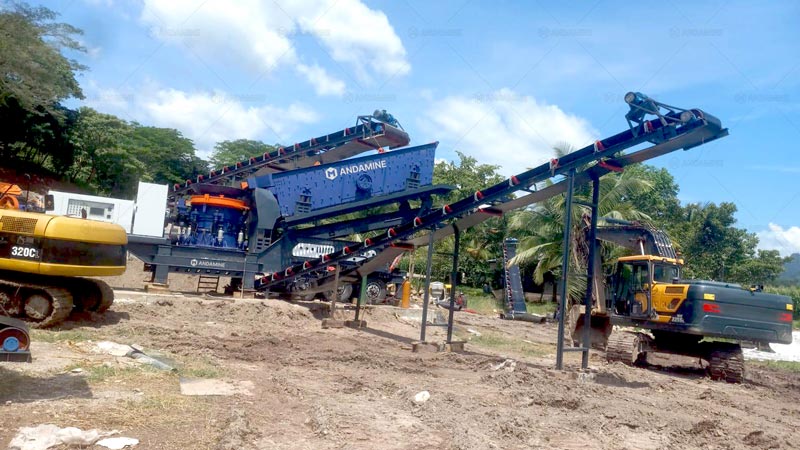
Latin America is experiencing one of the fastest rates of urbanization in the world, with millions of people moving into metropolitan areas and mid-sized cities each year. This demographic shift fuels massive demand for housing, transportation systems, energy infrastructure, and public services—all of which rely heavily on high-quality construction aggregates. However, rapid growth has exposed a widening supply gap across the region, creating both challenges and opportunities for aggregate producers and equipment suppliers. In particular, the lack of modern crushing facilities presents significant potential for upgrading production capacity and improving supply chain stability.
This article explores how urbanization intensifies the aggregate supply gap, and how investments in modern crushing equipment—such as stone crushers for sale(trituradoras de piedra en venta), aggregate crusher plant, and aggregate crusher plant for sale in Chile—can help producers remain competitive while meeting market demands efficiently.
Urbanization Trends Reshaping Aggregate Demand
Latin America’s urban population has surpassed 80%, and cities like Lima, Bogotá, Santiago, and São Paulo continue to expand rapidly. This growth directly increases demand for aggregates used in residential construction, road and highway upgrades, metro and rail expansions, public utility infrastructure, and commercial and industrial developments. The challenge is that many quarries and crushing operations still rely on outdated machinery, inefficient workflows, or geographically isolated production sites. As a result, they struggle to meet the rising volume and quality requirements demanded by modern infrastructure projects.
How Urban Expansion Creates a Supply Gap
Higher Material Requirements for Infrastructure Upgrades
Urbanized regions demand durable road networks and efficient transportation corridors. These projects require immense volumes of high-quality crushed stone, manufactured sand, and gravel. Producers with outdated equipment often face inconsistent particle size, lower production capacity, high downtime, and excessive operating costs. A modern aggregate crusher plant(planta de agregados) increases capacity and ensures a consistent, high-grade product that meets project specifications.
Transportation and Logistics Constraints
Transporting raw stone over long distances to urban job sites significantly increases cost. Urbanization intensifies these pressures as cities expand outward. Mobile units and stone crushers for sale provide flexible deployment that reduces logistics costs and allows on-site processing when necessary.
Environmental Regulations and Resource Restrictions
Many Latin American governments have tightened permitting requirements for quarry operations and emission standards for crushing equipment. Older machinery often fails to meet these standards. Upgrading to cleaner, energy-efficient plants not only ensures compliance but also reduces long-term production costs and improves sustainability.
Opportunity for Modern Crushing Plants in Latin America
Growth of Urban Projects Creates Stable Long-Term Demand
Construction materials demand remains strong as governments prioritize infrastructure. Producers who invest in advanced crushing technology benefit from continuous demand for aggregates needed in road rehabilitation, water system upgrades, airport expansions, and large-scale housing developments. In Chile, rising demand has intensified interest in aggregate crusher plant for sale in Chile(planta chancadora de aridos venta chile), especially near major urban zones.
Mobile Crushing Solutions Fill Temporary or Remote Gaps
Urban growth often pushes construction into hard-to-supply fringe areas. Mobile crushers offer rapid deployment, on-site production, and reduced transport costs, making them ideal for temporary or fast-track projects. These advantages keep stone crushers for sale in high demand.
Upgrading Plants Increases Productivity and Reduces Waste
Modern crushing plants integrate automated feeding, real-time monitoring, energy-saving motors, advanced screening systems, and wear-resistant parts. These upgrades improve efficiency, reduce production waste, and increase profitability.
Practical Strategies for Reducing the Aggregate Supply Gap
Conduct Market Demand Forecasting
Producers should analyze urbanization-driven project pipelines to estimate aggregate requirements and determine appropriate plant capacity expansions.
Combine Fixed and Mobile Plants
A hybrid approach ensures stability and flexibility: fixed plants handle large-volume production, while mobile units support expanding urban areas or temporary needs. This strategy minimizes bottlenecks and strengthens supply reliability.
Invest in Environmentally Efficient Technologies
Energy-efficient motors, dust suppression systems, and optimized fuel use reduce operating costs and help producers comply with tightening regional regulations.
Strengthen Maintenance and Spare Parts Planning
Modernizing equipment also means gaining access to global technical support networks and faster spare parts supply, helping avoid downtime and maintaining reliable output.
Future Outlook of Aggregate Supply in Urbanizing Latin America
Urbanization will continue shaping aggregate demand for decades. Cities across Chile, Peru, Colombia, and Mexico will keep investing in mobility systems, renewable energy, and public infrastructure—all requiring stable aggregate supply. The growing interest in aggregate crusher plant for sale in Chile highlights a regional shift toward technologically advanced, higher-capacity crushing solutions.
Conclusion
Accelerated urbanization in Latin America is reshaping the aggregate supply landscape. While demand climbs, many producers struggle with outdated equipment, high logistics costs, and compliance challenges. Upgrading to modern crushing solutions—such as advanced stone crushers for sale, a high-efficiency aggregate crusher plant, or a strategically located aggregate crusher plant for sale in Chile—provides a practical pathway to increasing production, reducing risks, and taking full advantage of the region’s expanding infrastructure opportunities.

Comments
No comments yet. Be the first to react!