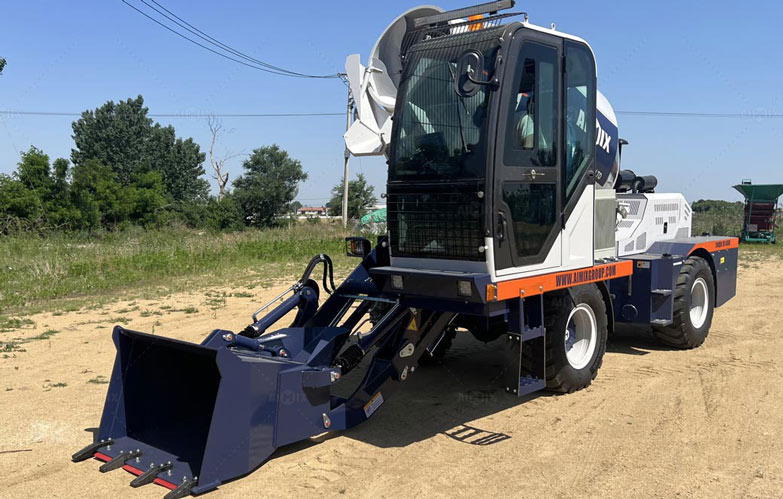
The modern construction landscape is shifting toward maximum efficiency with minimal manual intervention. In remote job sites across South America and rapidly developing urban centers globally, the demand for equipment that can handle multiple tasks simultaneously has never been higher. Traditional methods of concrete production often involve a logistical chain of separate loaders, transit mixers, and off-site batching plants. However, the introduction of a machine that combines all these functions into a single mobile unit has fundamentally changed the pace of project delivery. This evolution in construction autonomy is driven by the ability to load, mix, and discharge material without needing a fleet of supporting machinery.
The Versatility of the Self-Loading Concrete Mixer
At its core, a self-loading concrete mixer(autohormigonera) is a specialized vehicle designed to act as a mobile batching plant. Unlike standard mixers that require a separate loader to feed the drum with sand, stone, and cement, this machine features a front-mounted shovel or bucket. The operator can precisely scoop the raw materials into the drum directly from the stockpile. This autonomy is particularly valuable in regions with challenging geography, which is why the self-loading concrete mixer Chile market has seen such significant growth in recent years. In the rugged terrains of the Andes or the remote mining sectors of the north, having a machine that handles its own logistics is a massive operational advantage.
Once the materials are inside the drum, the high-speed mixing system takes over. These units are engineered to ensure a professional-grade homogenous mix, regardless of whether the vehicle is stationary or in transit. This "on-the-go" mixing capability ensures that the concrete remains fresh and is ready for pour the moment the vehicle reaches the specific section of the job site. For contractors working in high-altitude environments, such as those found when deploying a self-loading concrete mixer Bolovia, this reliability is essential for maintaining the structural integrity of the pour under varying atmospheric conditions.
Key Features Driving Construction Autonomy
The revolution in this technology isn't just about moving material; it is about the sophisticated integration of hydraulic systems and weighing technology. Modern self-loading concrete mixer units are equipped with electronic weighing scales that allow the operator to monitor the exact proportions of aggregate and cement entering the drum. This ensures that the final product meets the specific strength requirements of the architectural blueprints, even when operating in isolation from large industrial centers.
Integrated Loading Systems
The front-loading bucket is the defining feature of these machines. It eliminates the need for an additional wheel loader on-site, which reduces fuel consumption and labor costs. By allowing a single operator to manage the entire loading process, the job site becomes less crowded and more organized. This streamlined workflow is why the self-loading concrete mixer has become a preferred choice for residential foundations and mid-sized bridge repairs alike.
Precise Mixing Technology
The internal blades of the mixing drum are designed to prevent segregation of the materials. Whether the project requires a standard slab mix or a more specialized high-strength variant, the equipment can be calibrated to produce consistent results batch after batch. This consistency is a primary reason for its popularity in regional infrastructure projects throughout Latin America, where quality control is paramount for long-term durability.
Multi-Directional Unloading
The ability to unload concrete in a 270-degree to 360-degree radius provides unparalleled flexibility. The drum can be slewed to either side of the vehicle, allowing the concrete to be discharged directly into the foundation or a pump, even in tight spaces where a traditional truck would be unable to maneuver. This makes the self-loading concrete mixer Chile(autohormigonera Chile) highly effective for urban redevelopment projects where space is at a premium.
Economic Impact and Regional Adoption
From an investment perspective, the ROI of these machines is realized through the consolidation of equipment. In emerging markets where infrastructure spending is high, such as the growing demand for a self-loading concrete mixer Bolovia, the cost savings on labor and separate machinery rentals can often pay for the unit within a few major projects. Reducing the number of engines running on a site also contributes to a lower carbon footprint for the overall project.
Furthermore, the logistical independence provided by this technology allows small to medium-sized contractors to compete for larger government tenders. They no longer need to rely on the proximity of a commercial batching plant, which may be hours away from the actual construction site. By utilizing a self-loading concrete mixer to produce the concrete right where it is needed, the risk of "cold joints" or premature setting during transit is virtually eliminated.
Maximizing Efficiency on Your Job Site
To get the most out of your equipment, site managers should focus on the strategic placement of material stockpiles. By positioning sand, gravel, and cement bags in a centralized location, the travel time for the vehicle is minimized, allowing for more cycles per hour. In the competitive construction environments of Chile and Bolivia, these small optimizations can lead to significantly shorter project timelines and higher profit margins for the contractor.
Additionally, regular maintenance of the hydraulic systems and cleaning the drum after every shift are vital to ensuring the longevity of the equipment. Because a self-loading concrete mixer combines the functions of several tools, keeping the integrated weighing system calibrated is essential for maintaining the quality of the concrete produced. Training operators to use the loading shovel efficiently can also reduce wear and tear on the chassis over time.
Future Outlook for Mobile Concrete Solutions
As we look toward the future of the industry, the trend is clearly moving toward more intelligent, autonomous systems. The integration of GPS and advanced telematics into the self-loading concrete mixer Bolovia(auto hormigonera Bolivia) and other regional fleets will soon allow managers to track production rates and fuel efficiency in real-time. This level of data-driven management, combined with mechanical versatility, ensures that these machines will remain a cornerstone of modern construction projects globally.
The ability to handle self-loading, self-mixing, and self-unloading tasks within one chassis represents a permanent shift in how we approach site logistics. By reducing the complexity of the concrete supply chain, the self-loading concrete mixer empowers contractors to focus on what matters most: building durable, high-quality structures that stand the test of time, regardless of the geographical challenges they may face.

Comments
No comments yet. Be the first to react!