Palm kernel shells, a by-product of palm oil processing, offer a valuable feedstock for biochar production through pyrolysis. These shells, often discarded or used as low-value fuel in some regions, possess a high carbon content, making them an ideal material for producing biochar, a substance with a range of applications in agriculture, environmental remediation, and energy storage.
Palm kernel shell biochar production presents a promising opportunity for waste-to-value conversion, leveraging the high availability of the feedstock. However, to fully realize the economic potential of this process, several factors need to be considered, including the capital and operational costs, the yield of biochar, market demand, and potential revenue streams. This analysis will examine these factors in detail, providing insights into the economic viability of establishing a charcoal making machine dedicated to palm kernel shell biochar production.
Feedstock Availability and Cost
The availability of palm kernel shells is one of the key drivers of the economic feasibility of the biochar production process. Palm kernel shells are abundant in palm oil-producing regions, particularly in Southeast Asia, where large-scale palm oil plantations generate significant volumes of waste. The supply of palm kernel shells can be quite stable, as they are continuously produced during palm oil extraction.
The cost of palm kernel shells is typically low, often being treated as waste or a secondary product. In many cases, palm kernel shells are either discarded or sold at a low price as fuel for local industries. However, depending on the region, transportation costs may vary, and the cost of collection and processing can increase when transporting the shells over long distances.
In terms of economic feasibility, the low cost of feedstock provides a significant advantage for palm kernel shell charcoal production. By converting these otherwise discarded materials into a valuable product, the pyrolysis plant can benefit from relatively low input costs.
Pyrolysis Process and Capital Investment
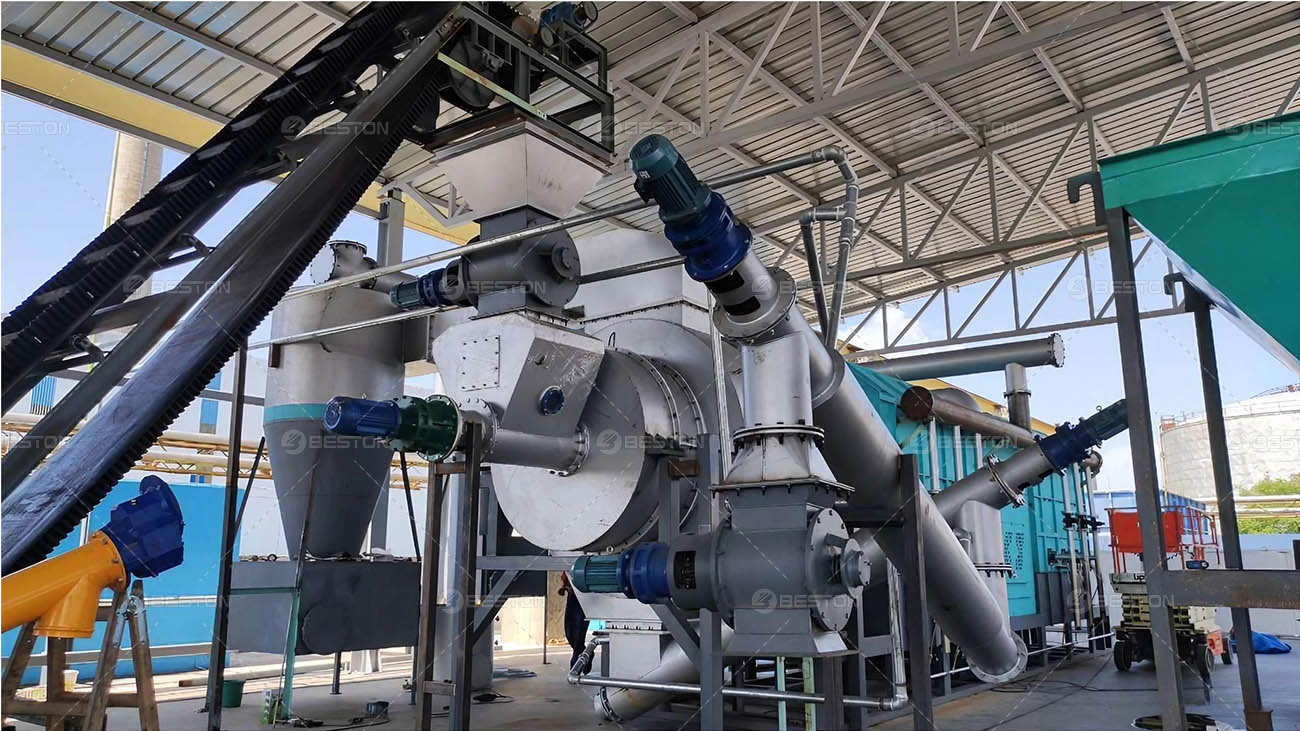
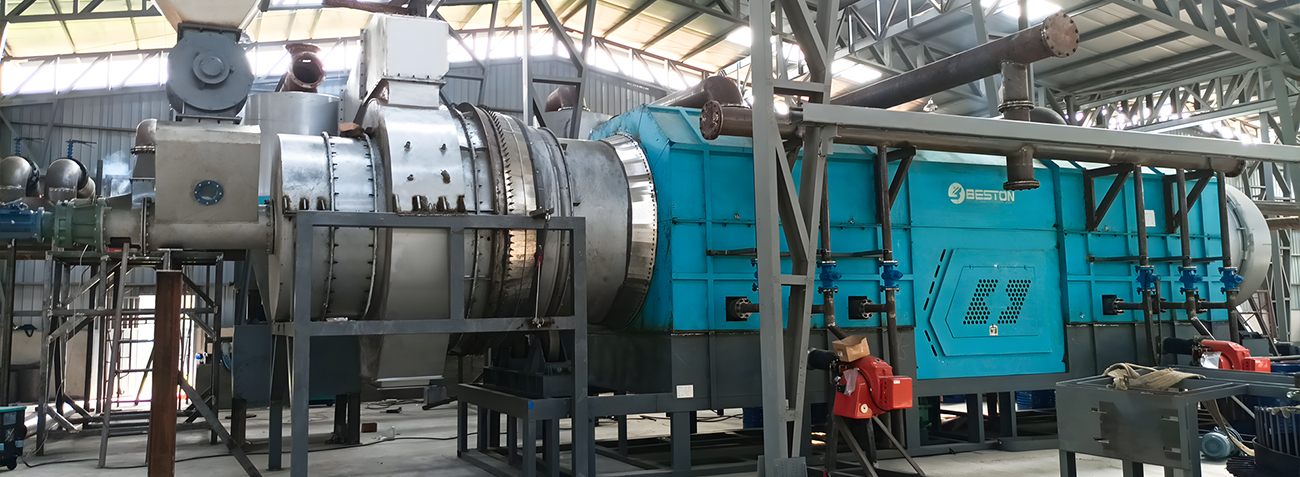
A pyrolysis plant capable of processing palm kernel shells involves several key components, including the reactor, heat source, gas recovery system, and post-treatment equipment. The capital investment for such a plant can vary based on the scale of production and the specific technology used.
The pyrolysis process itself involves heating the palm kernel shells in an oxygen-limited environment to produce biochar, pyrolysis oil, and combustible gas. The efficiency of the pyrolysis plant in converting palm kernel shells into biochar depends on factors such as temperature, residence time, and reactor design. High temperatures and longer residence times typically result in a higher yield of biochar, but this must be balanced with energy consumption and the cost of maintaining optimal conditions.
Investing in a high-efficiency pyrolysis plant with advanced systems for energy recovery can significantly reduce operational costs by utilizing the pyrolysis gases and oil for internal heating or electricity generation. This integration can improve the overall economic performance of the biochar production process.
Yield and Quality of Biochar
The yield of biochar from palm kernel shells depends on several factors, including the pyrolysis temperature, feedstock characteristics, and the efficiency of the pyrolysis plant. Generally, the yield of biochar from palm kernel shells is around 30-35% by weight, though this can vary depending on the specific conditions used in the pyrolysis process.
In addition to the yield, the quality of the biochar is another critical factor. Palm kernel shell biochar tends to have a high carbon content and low ash content, which makes it an attractive material for agricultural use. It also possesses excellent surface area and porosity, which are desirable properties for soil conditioning and carbon sequestration.
The quality of biochar is directly linked to the control of the pyrolysis process. Ensuring consistent temperature control and optimizing residence time can result in a higher-quality product. Higher-quality biochar commands higher market prices and offers better long-term benefits in applications such as soil amendment, where it can improve water retention, nutrient availability, and soil structure.
Revenue Streams from Biochar and By-Products
The primary revenue stream for a pyrolysis plant processing palm kernel shells comes from the sale of biochar. Given its wide range of applications, particularly in agriculture as a soil amendment, the demand for biochar has been steadily increasing. Markets in regions with large-scale agricultural production, such as Southeast Asia and parts of Europe, represent significant potential customers for palm kernel shell biochar.
Apart from biochar, the pyrolysis process also generates pyrolysis oil and combustible gas as by-products. Pyrolysis oil can be further refined and used as an alternative fuel for industrial processes or sold in markets that require bio-oil for chemical production. The combustible gas, typically rich in methane and hydrogen, can be used to fuel the pyrolysis plant itself, reducing external energy costs. In some cases, surplus gas can be sold to local energy suppliers or used for electricity generation.
These by-products not only help offset operating costs but also contribute additional revenue streams, making the overall process more economically viable. However, the economic value of these by-products depends on local market conditions and the ability to efficiently capture and process them.
Operational Costs and Profitability
The operational costs of a pyrolysis plant processing palm kernel shells are influenced by several factors, including energy consumption, labor costs, maintenance, and feedstock procurement. The energy required to heat the reactor and sustain the pyrolysis process is a major component of operational costs. Utilizing pyrolysis gas and oil for internal energy generation can significantly reduce this cost, enhancing the plant’s profitability.
Labor costs also vary depending on the location of the plant. In regions where labor is relatively inexpensive, operational costs can be kept lower. However, maintaining the pyrolysis plant and ensuring efficient operation requires skilled workers and regular maintenance, which can contribute to ongoing expenses.
Another important consideration is the cost of transporting and storing the palm kernel shells. While the feedstock itself is inexpensive, transportation and handling costs can increase depending on the distance between the palm oil mills and the pyrolysis plant. Efficient logistics management is essential for minimizing these costs and maximizing profitability.
Market Demand and Competitive Advantage
The demand for biochar has been growing due to its environmental benefits and its effectiveness as a soil amendment. As industries and governments increasingly focus on sustainable practices, the market for biochar is expected to expand, providing long-term opportunities for palm kernel shell biochar producers.
In addition to agricultural applications, biochar is also used in environmental remediation, water filtration, and carbon sequestration projects, further enhancing its market potential. Producers who can offer high-quality biochar with consistent properties and reliable supply will be well-positioned to compete in this growing market.
The unique characteristics of palm kernel shell biochar, including its high carbon content and low ash content, provide a competitive advantage in the biochar market. By focusing on producing high-quality biochar with a strong focus on sustainability, pyrolysis plants can capitalize on the increasing demand for eco-friendly products and differentiate themselves from other biochar producers.
Conclusion
The economic feasibility of biochar production from palm kernel shells is highly promising due to the low cost and abundance of feedstock, coupled with the potential for multiple revenue streams from biochar and by-products. However, the success of such an operation depends on optimizing the pyrolysis process, ensuring high-quality biochar production, and managing operational costs efficiently. By leveraging advanced technologies and sustainable practices, a pyrolysis plant can not only generate a competitive return on investment but also contribute to the growing demand for environmentally sustainable products.

Comments
No comments yet. Be the first to react!